
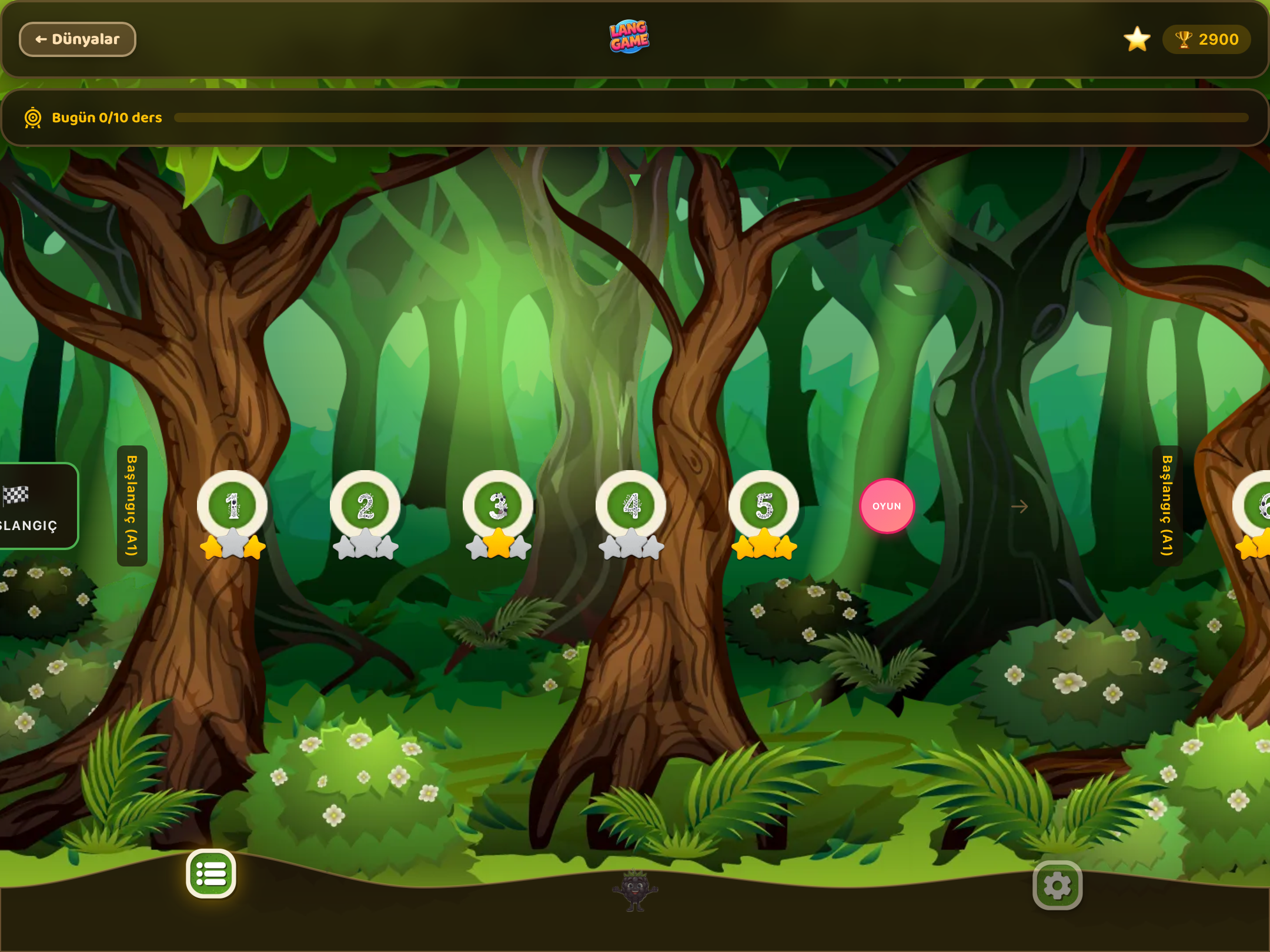
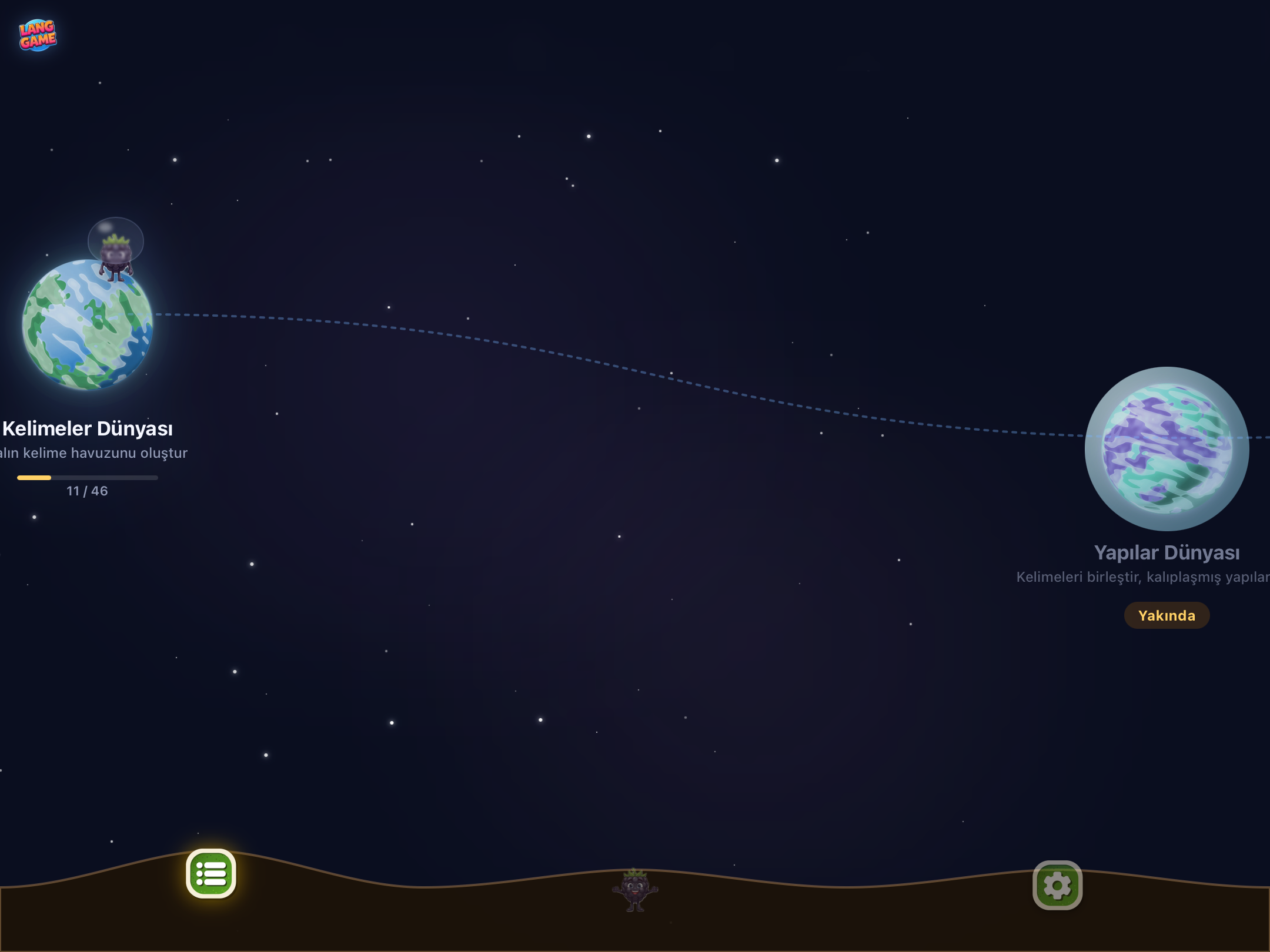
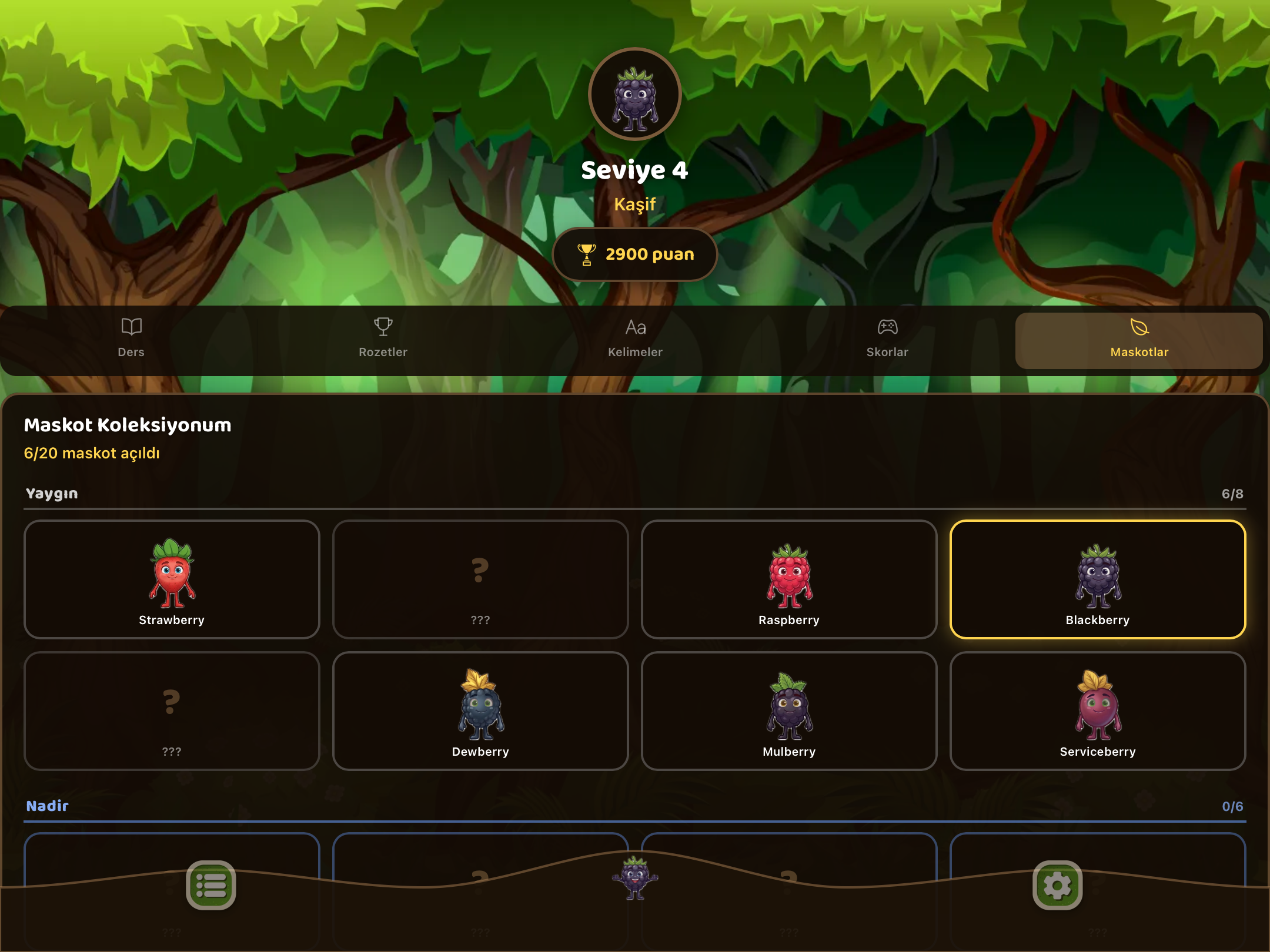
Learning a new language is a journey that millions embark upon, yet few reach the destination of fluency without hitting significant roadblocks. For decades, the standard approach involved rote memorization, dense textbooks, and repetitive audio exercises. While effective for some, these methods often suffer from a critical flaw: high learner boredom and low engagement rates. As technology evolves, so does our understanding of pedagogy. We are witnessing a paradigm shift where education and entertainment merge to create "edutainment." Leading this charge is Algorithm Bilişim, a technology company renowned for its enterprise and mobile solutions, which is now stepping into the gaming arena with its upcoming title, Langgame.
Set to arrive in Early Access very soon, Langgame is not just another digital flashcard app. It represents a holistic ecosystem where English language education is seamlessly integrated into varied gameplay mechanics. This article explores the philosophy behind Langgame, the science of gamified learning, and why this hybrid approach might be the key to unlocking genuine language retention for modern learners.
To appreciate the innovation that Langgame brings to the table, we must first understand the pitfalls of traditional study methods. The "forgetting curve"—a hypothesis describing the exponential decline of memory retention over time—is the enemy of language acquisition. Traditional apps often rely on spaced repetition systems (SRS) that, while useful, can feel robotic and chore-like. When the brain perceives a task as a chore, it releases cortisol (stress hormone) rather than dopamine (the reward hormone), hindering the ability to absorb and consolidate information.
Furthermore, traditional methods often separate vocabulary from context. You might learn the word "apple" in a isolated lesson, but without the context of a sentence, a scenario, or an emotional connection, the brain struggles to file that information into long-term memory. This results in a common phenomenon among learners: they can pass a multiple-choice quiz but freeze up when trying to order a coffee in real life. The gap between passive recognition and active recall is where most language journeys stall.
Gamification in education is not about simply adding points to a scoreboard; it is about leveraging human psychology to enhance cognitive processing. When we play games, we enter a state of "flow"—a mental zone where a person is fully immersed in a feeling of energized focus. In this state, the barriers to learning drop significantly.
Langgame utilizes this principle by transforming the learning process into an active pursuit. Instead of passively staring at a screen, the learner is an active participant in a narrative or a challenge. This active engagement stimulates the hippocampus, the part of the brain responsible for spatial memory and consolidating information from short-term to long-term memory.
Key benefits of this approach include:
Algorithm Bilişim has designed Langgame to address the specific needs of the modern digital native. The core philosophy of the application is duality: it serves as a comprehensive English education tool while simultaneously functioning as an entertaining mobile game.
Unlike standard language apps that follow a linear "Lesson 1, Lesson 2" structure, Langgame adopts a more organic progression. The educational component is woven directly into the fabric of the gameplay. Players learn vocabulary and grammar structures not just to memorize them, but to utilize them as tools to progress within the game.
This approach aligns with the concept of "task-based language learning" (TBLL), where the focus is on the completion of a meaningful task using the target language. By giving the player a reason to communicate—surviving a level, solving a puzzle, or navigating a story—the language becomes a vehicle for achievement rather than the end goal itself.
One of the standout features of Langgame is its variety. The human brain craves novelty; repetitive tasks can quickly lead to cognitive fatigue. To combat this, Langgame reinforces learned information through a suite of different mini-games. This ensures that a single vocabulary word or grammatical rule is encountered in multiple contexts, solidifying understanding.
While the full suite of games will be revealed upon launch, the framework relies on varying cognitive demands:
To visualize the shift that Langgame represents, consider the following comparison between traditional learning applications and the Langgame approach:
| Feature | Traditional Learning Apps | Langgame (Early Access) |
|---|---|---|
| Primary Focus | Memorization and drills | Active usage and application |
| Engagement Model | External rewards (streaks) | Intrinsic rewards (game progression) |
| Context | Decontextualized word lists | Contextual scenarios and stories |
| Variety | Repetitive tapping exercises | Multiple distinct game genres |
| Retention Strategy | Spaced Repetition (SRS) | Cognitive engagement + SRS |
| User Emotion | Often feels like studying/homework | Feels like playing/gaming |
The launch of Langgame into Early Access is a significant milestone, not just for Algorithm Bilişim, but for learners looking for a better way to study. Participating in an Early Access phase offers distinct advantages for the user.
First and foremost, Early Access members are pioneers. They have the unique opportunity to shape the development of the game. In the world of software development, community feedback is invaluable. By playing Langgame early, users can report bugs, suggest new mini-games, and provide feedback on the difficulty curve of the English lessons. This collaborative approach ensures that the final product is polished, balanced, and truly effective for its audience.
Additionally, Early Access often comes with the perk of progression carry-over. Players can start building their English proficiency and in-game profile before the general public gains access. For competitive individuals, this is a chance to master the mechanics early on.
The intersection of education and technology holds limitless potential, yet it is often underutilized. As we move further into the digital age, the tools we use to learn must evolve to match our changing lifestyles and attention spans. Algorithm Bilişim’s upcoming release, Langgame, stands as a testament to what is possible when technical expertise meets pedagogical understanding.
By combining structured English education with the engaging mechanics of modern mobile gaming, Langgame offers a solution to the age-old problem of language retention. It transforms the solitary grind of study into an interactive experience. As the Early Access launch approaches, it invites learners to put down the textbooks and pick up the game—proving that fluency can be fun, challenging, and rewarding all at once. Keep an eye on the horizon; Langgame is about to change the way you learn.