
CRM stands for Customer Relationship Management. It is a strategy or toolset that businesses use to manage their interactions with customers and potential customers. The primary goal of CRM is to improve business relationships with customers, streamline processes, and ultimately increase profits.
CRM systems are used by businesses of all sizes, ranging from small startups to large enterprises. They can be implemented in various industries, including retail, healthcare, hospitality, finance, and many others.
The usage benefits of CRM include:
1. **Improved Customer Experience:** A CRM system helps organizations gather and analyze customer data, allowing them to better understand customer needs, preferences, and behavior. This leads to personalized marketing efforts, improved customer service, and increased satisfaction levels.
2. **Enhanced Sales and Revenue Growth:** By providing a comprehensive view of each customer's history and interactions with the company, CRM systems enable sales teams to identify upselling or cross-selling opportunities, prioritize high-value leads, and optimize their sales strategies for maximum results.
3. **Better Customer Retention:** CRM systems help businesses maintain strong relationships with customers by tracking customer interactions, preferences, and history. This information can be used to provide personalized offers, rewards, or support, encouraging customer loyalty and reducing churn rates.
4. **Efficient Marketing Campaigns:** With a centralized database of customer information, CRM systems enable marketers to create targeted, data-driven campaigns that are more likely to resonate with their audience. This leads to higher engagement, conversion rates, and ROI for marketing efforts.
5. **Improved Collaboration and Communication:** CRM systems facilitate communication between departments like sales, marketing, and customer service by providing a shared platform for data exchange. This leads to better collaboration, reduced errors caused by miscommunication, and improved overall workflow.
6. **Streamlined Customer Support:** CRM systems often include helpdesk or ticketing functionality, allowing businesses to track and manage customer inquiries, complaints, or issues more efficiently. This helps resolve problems faster, leading to increased customer satisfaction and loyalty.
7. **Forecasting and Analytics:** Many CRM solutions offer built-in reporting and analytics tools that provide insights into customer behavior, sales performance, and marketing effectiveness. These insights can be used to identify areas for improvement, optimize strategies, and make data-driven decisions.
8. **Scalability and Flexibility:** CRM systems are highly scalable, allowing businesses to easily adapt as they grow or change direction. They can accommodate new features, integrations, and modules as needed, ensuring the system remains relevant and effective over time.
9. **Social Media Integration:** Many CRM solutions integrate with popular social media platforms, enabling businesses to monitor customer conversations, engage with potential customers, and manage their brand reputation across various channels.
10. **Integration with Other Business Tools:** Most CRM systems can integrate with other business applications like project management tools, analytics platforms, or e-commerce solutions. This creates a seamless workflow between various tools and enables businesses to streamline processes and improve overall efficiency.
In summary, CRM systems are essential tools for businesses seeking improved customer relationships, streamlined processes, and increased profits. By providing a centralized platform for managing interactions with customers, CRM enables organizations to better understand their audience, optimize strategies, and ultimately drive growth across all areas of the business.
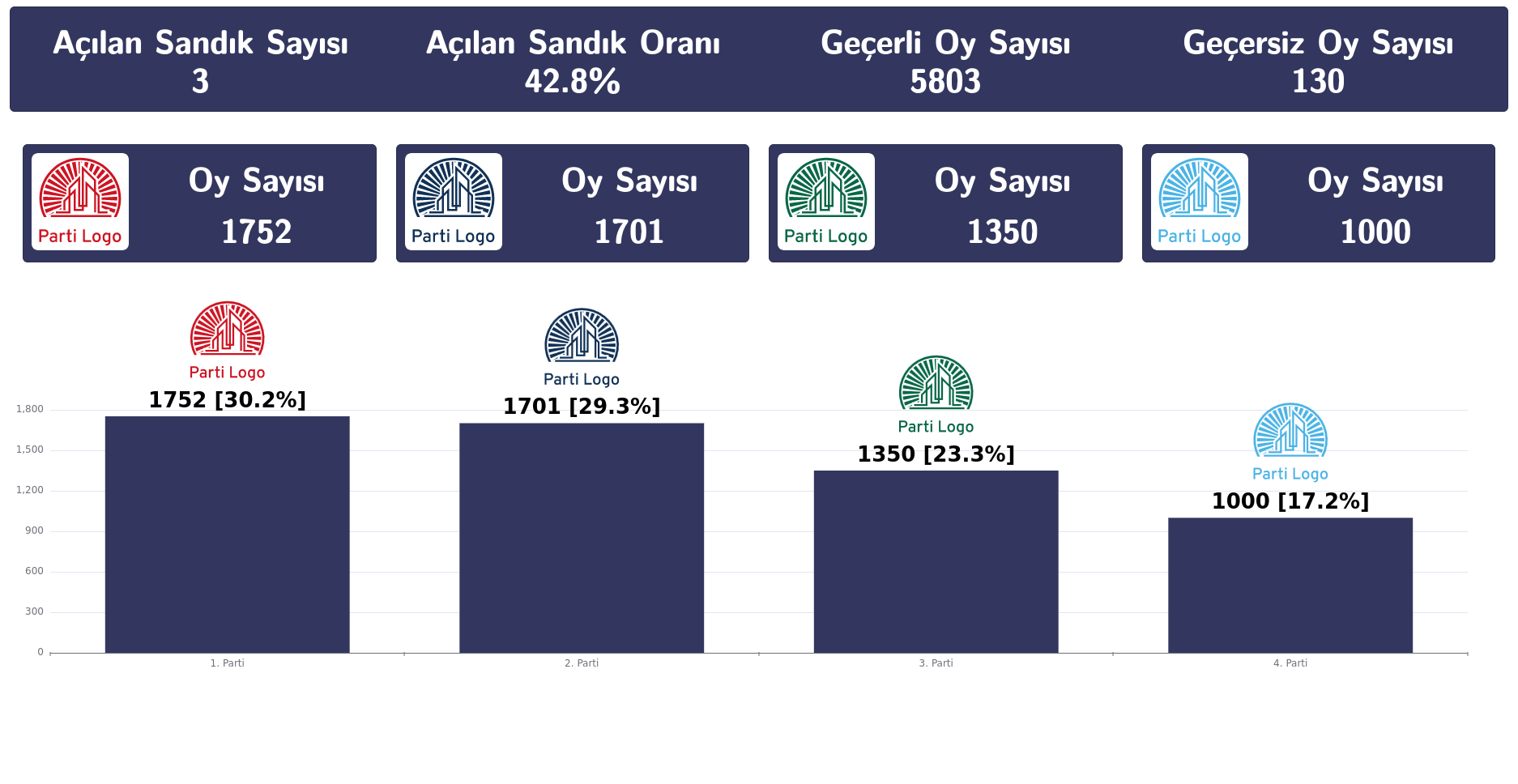
31 Mart 2024 tarihinde yapılacak olan yerel seçimlere, seçim yazılımımızla biz de hazırız.Seçi...
Devamını oku →
How to Manage Your Design OrdersAs online shopping, also known as e-commerce sites, becomes more wid...
Devamını oku →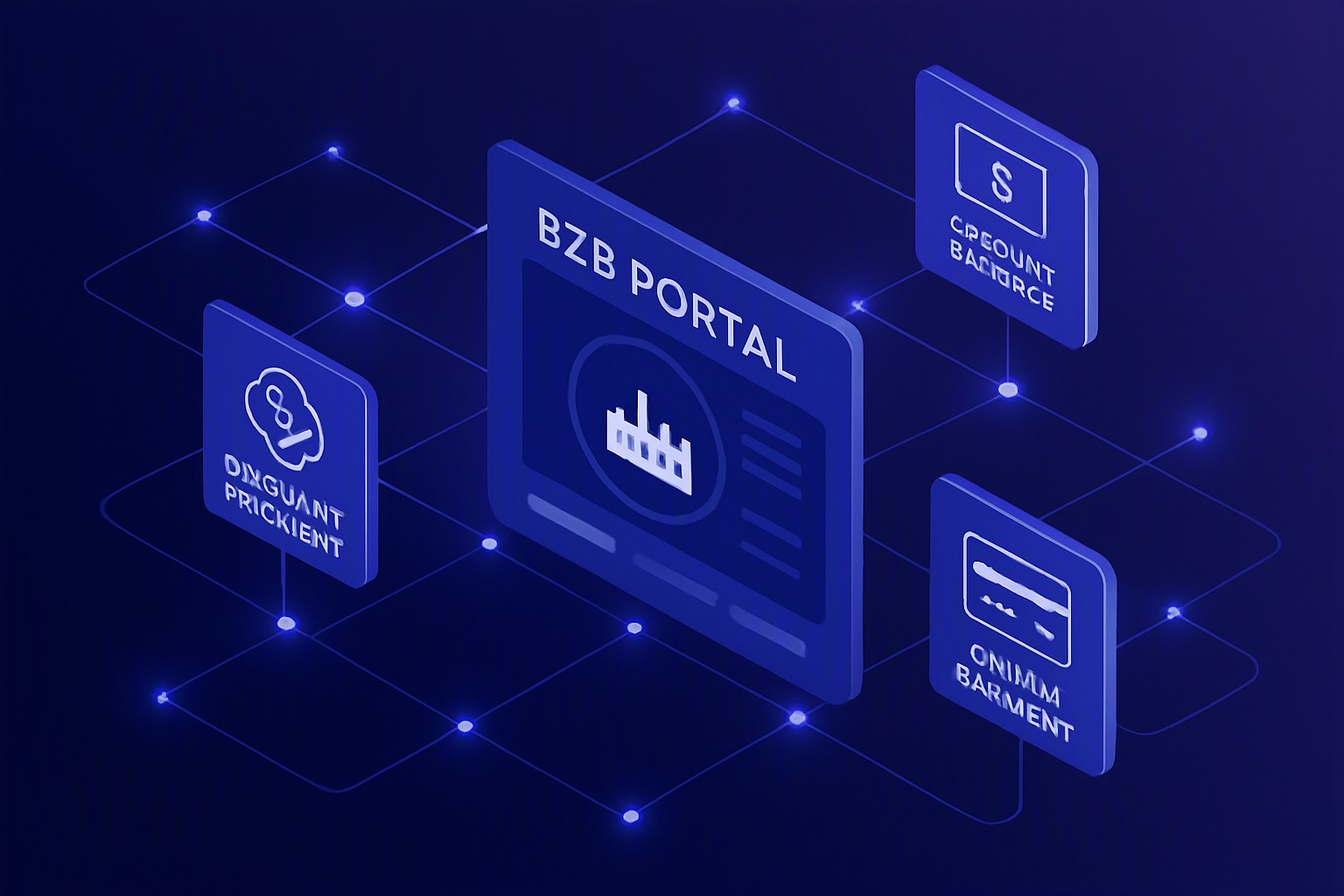
How to Grow Your Sales Network with a Web-Based B2B Portal and Dealer Management System For manufact...
Devamını oku →